
Ketamine for Treatment-Resistant Depression: Exploring Safety and Outpatient Clinics
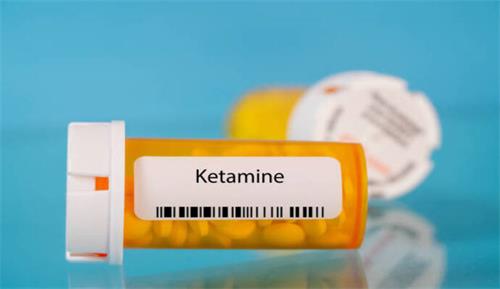
In recent years, the landscape of mental health treatment has been evolving rapidly, driven by advancements in our understanding of neurobiology and the emergence of innovative therapies. One such treatment gaining attention is the use of ketamine for treatment-resistant depression. Approved as an alternative for individuals who haven't found relief from traditional antidepressants, ketamine offers a new ray of hope. However, as with any medical intervention, questions about safety and the rise of outpatient ketamine clinics have sparked discussions within the medical community.
Originally developed as an anesthetic, ketamine's potential as a depression treatment was discovered somewhat serendipitously. Researchers noticed that some patients who received ketamine for pain management also experienced significant improvements in their mood. This unexpected connection led to further investigations and clinical trials, which eventually led to the approval of esketamine, a derivative of ketamine, by the U.S. Food and Drug Administration (FDA) for treatment-resistant depression in 2019.
Unlike traditional antidepressants, which often take weeks to show any effect, ketamine's impact can be almost immediate. This rapid onset of action has proven especially promising for individuals in the midst of severe depressive episodes or those who are at an elevated risk of self-harm. It is theorized that ketamine works by acting on glutamate receptors in the brain, leading to the release of neurotransmitters that help regulate mood.
While ketamine shows immense promise, concerns about its long-term safety and potential for abuse have been raised. Ketamine is a dissociative anesthetic that, when taken inappropriately or in excessive doses, can induce hallucinations and out-of-body experiences. Additionally, there are limited studies on the extended use of ketamine for depression, leaving many questions about its potential long-term effects unanswered.
However, it's important to note that esketamine, the FDA-approved version for depression, is administered in a controlled clinical setting under the supervision of a healthcare professional. This is in stark contrast to the recreational use of ketamine, where individuals may take much higher doses than those prescribed. The dosage and administration protocols used in clinical settings are carefully designed to minimize the risk of adverse events and misuse.
One development that has sparked discussions is the rise of outpatient ketamine clinics. These clinics offer ketamine treatment outside of traditional medical settings, often providing a more relaxed and comfortable environment for patients. While outpatient clinics have been embraced by many as a convenient option, concerns have arisen about their adherence to safety protocols and the potential for inadequate monitoring.
The safety of outpatient ketamine clinics hinges on several key factors:
Qualified Healthcare Professionals: Clinics must employ trained medical professionals who are experienced in administering ketamine and equipped to handle any adverse events that may arise.
Screening and Evaluation: Rigorous screening and evaluation processes are crucial to determine if a patient is an appropriate candidate for ketamine treatment. This involves assessing their medical history, current medications, and any potential contraindications.
Dosage and Monitoring: Precise dosing and continuous monitoring during the treatment session are paramount to ensure patient safety. Healthcare professionals need to be vigilant in watching for adverse reactions and adjusting the dosage if necessary.
Follow-Up Care: Adequate post-treatment support and follow-up care are essential for tracking the patient's progress and addressing any concerns that may arise after the treatment session.
Ethical Considerations: Clinics should prioritize the ethical use of ketamine, avoiding practices that could encourage misuse or off-label use.
Ketamine holds immense promise as a breakthrough treatment for individuals grappling with treatment-resistant depression. Its rapid onset of action and potential to provide relief for those who have exhausted traditional options are noteworthy achievements in the realm of mental health care. However, the safety concerns associated with its use and the emergence of outpatient ketamine clinics emphasize the need for stringent oversight, proper training of healthcare professionals, and adherence to established protocols.
As research continues to shed light on the long-term effects and benefits of ketamine treatment, the medical community must work collaboratively to strike a balance between accessibility and safety. By upholding rigorous standards and prioritizing patient well-being, the field can harness the potential of ketamine to transform the lives of those who have been living in the shadows of treatment-resistant depression.
Recommend:

Addressing Poor Sleep May Help Heart Health

Preventable Liver Disease on the Rise: The Impact of Diet and Metabolic Factors

4 Benefits of Si Wu Tang for Men

Low-Carb Diet: A Powerful Strategy to Slash Blood Sugar Levels in Prediabetes